
The World Health Organization (WHO) declared on Saturday (16) – or Sunday (17), local time – that the Ebola outbreak in the Democratic Republic of the Congo and Uganda is a “public health emergency of international concern.”
Nature of the outbreak
The WHO clarified that the current outbreak, which is caused by the Bundibugyo virus, does not meet the criteria to be classified as a pandemic emergency. In an official statement, the UN health agency said that so far 80 suspected deaths have been reported, along with eight laboratory-confirmed cases and 246 suspected cases in Ituri province in the DRC. These cases are spread across at least three health zones, including the localities of Bunia, Rwampara and Mongbwalu.
Additional information from the Ministry of Health
The DRC’s Ministry of Health had reported on Friday (15) that 80 people had died as a result of the new outbreak in the eastern province.
Situation in Uganda
In Uganda’s capital, Kampala, two laboratory-confirmed cases and one death had been recorded as of Saturday, all involving people who had traveled from Congo to the city, according to the WHO. In addition, a laboratory-confirmed case was also identified in the capital of the Democratic Republic of the Congo, Kinshasa, in an individual returning from Ituri.
Ongoing actions
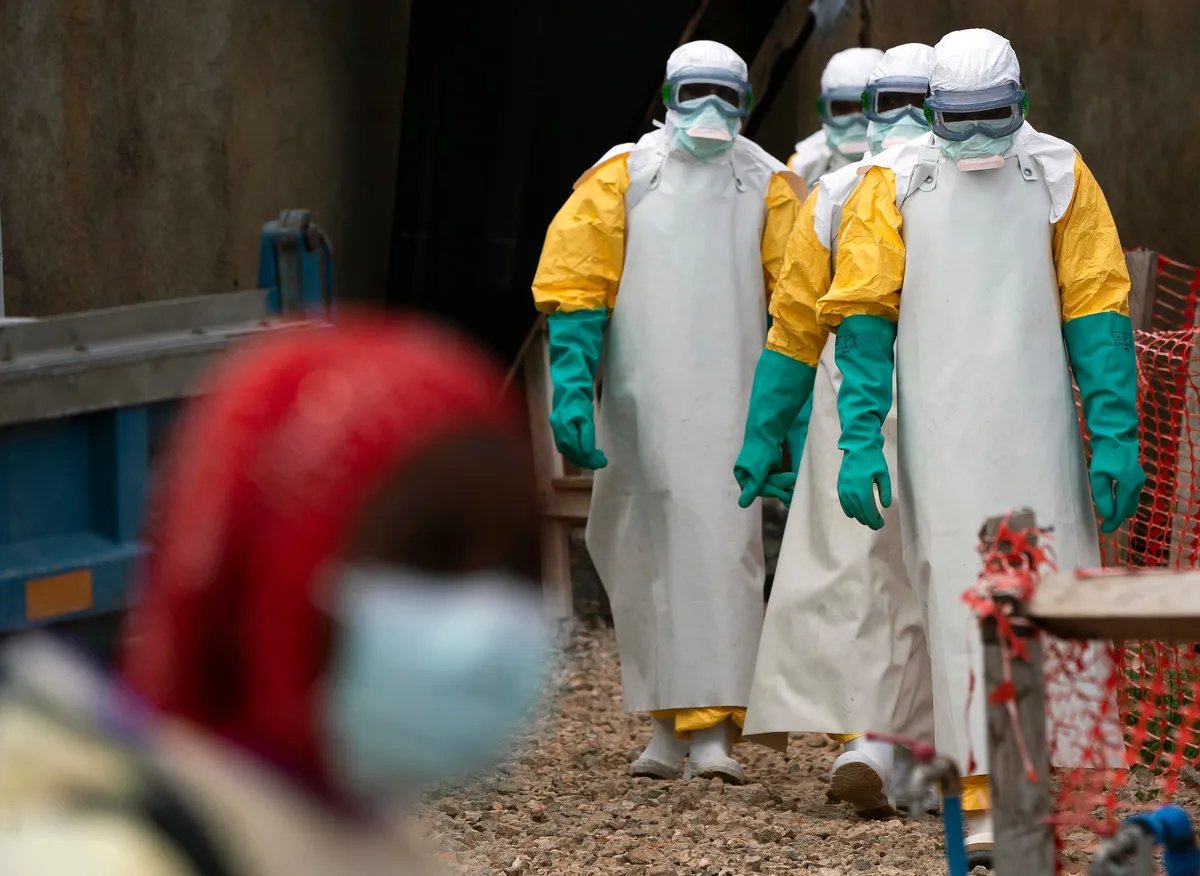
Health workers have been mobilized and are using protective equipment at Ebola treatment centers in Congo as part of measures to contain the spread of the virus. The situation continues to be closely monitored by health authorities and the WHO, which recommends strict precautions to prevent new infections.
