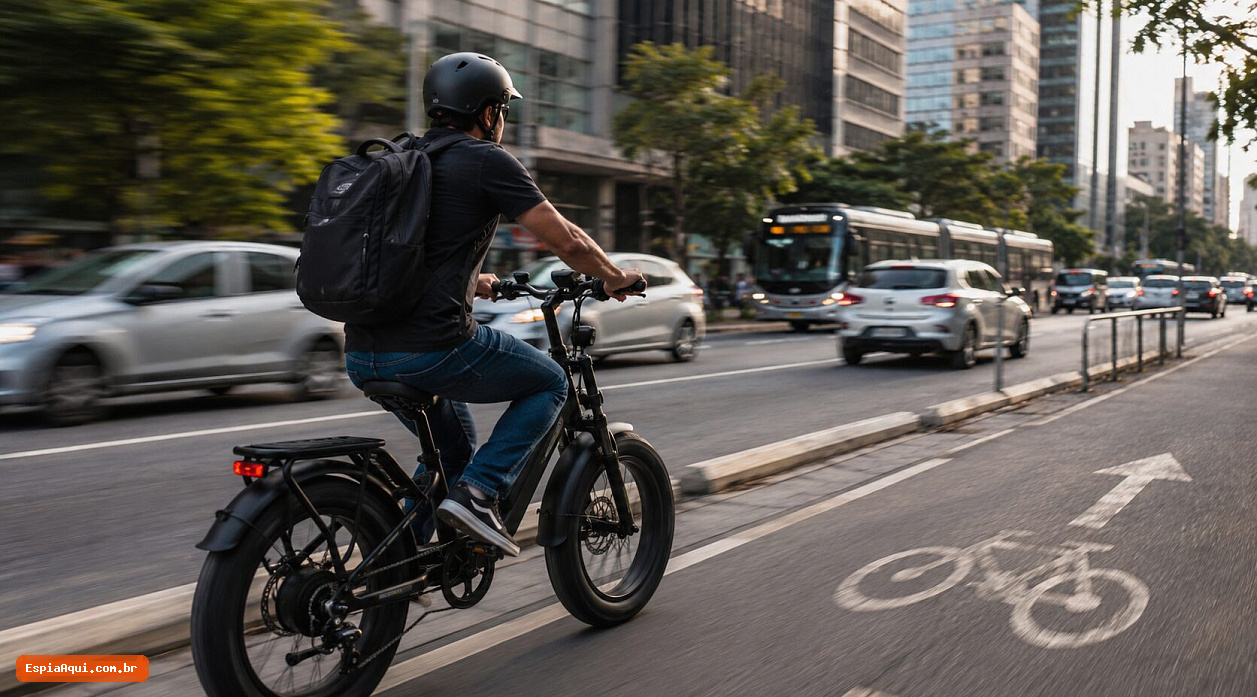
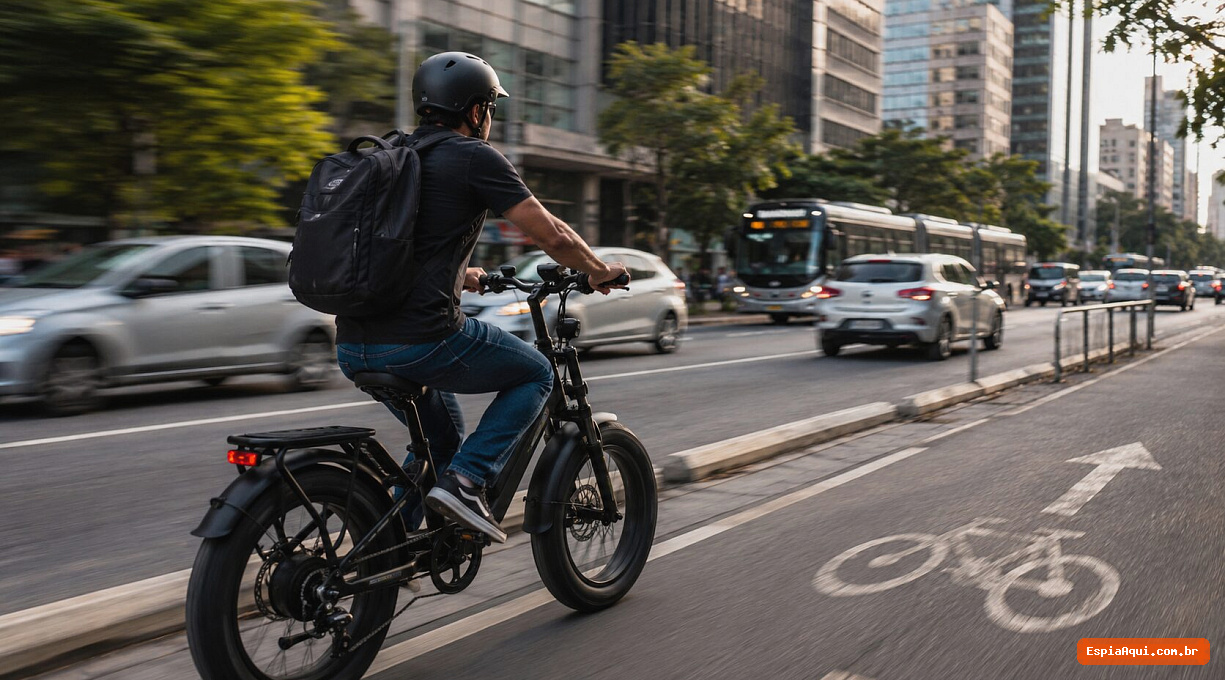
Brazil is seeing rapid growth in the use of electric bicycles and light self-propelled vehicles, with more than 850,000 units on the road. This increase has changed traffic dynamics in cities, but it has also exposed enforcement difficulties and led to more conflicts and accidents.
Regulation and technical limits
According to Brazil’s National Traffic Council (Contran), to qualify as an electric bicycle, a vehicle must have an auxiliary motor of up to 1,000 watts and a pedal-assist system that only activates the motor while the rider pedals. The maximum allowed speed is 32 km/h, and the vehicle cannot have a hand throttle.
Vehicles with a throttle or combustion engine fall into the moped category, which requires registration, licensing and a driver’s license. Regular e-bikes, on the other hand, do not need plates or registration tied to the rider, which makes it hard to issue fines through automatic speed cameras.
Enforcement and illegal modifications
Enforcement relies entirely on traffic officers stopping riders directly and catching violations as they happen. Control is further complicated by illegal modifications, such as boosting power or speed, which are often only detected during specific technical inspections.
Because no National Driver’s License (CNH) is required to ride an e-bike, many people ride without formal knowledge of traffic rules, which contributes to risky behavior.
Risky behavior and impact on cities
Experts link the lack of formal training to riding against traffic, running red lights and disregarding pedestrians. In Curitiba, city authorities have observed more traffic and more collisions at intersections and shared spaces, reinforcing the need for investment in educational campaigns and infrastructure improvements.
Market growth and benefits for riders
The mode’s popularity is driven by cost savings and faster urban trips. In the first half of 2026, e-bike production at the Manaus Industrial Hub grew 87% compared with the same period in 2025.
Prices start at around R$ 2,000, making them a more affordable option than a car or public transit. Riders highlight a significant cut in travel time, which can drop from almost an hour by car to about 20 minutes, as well as lower maintenance and charging costs.