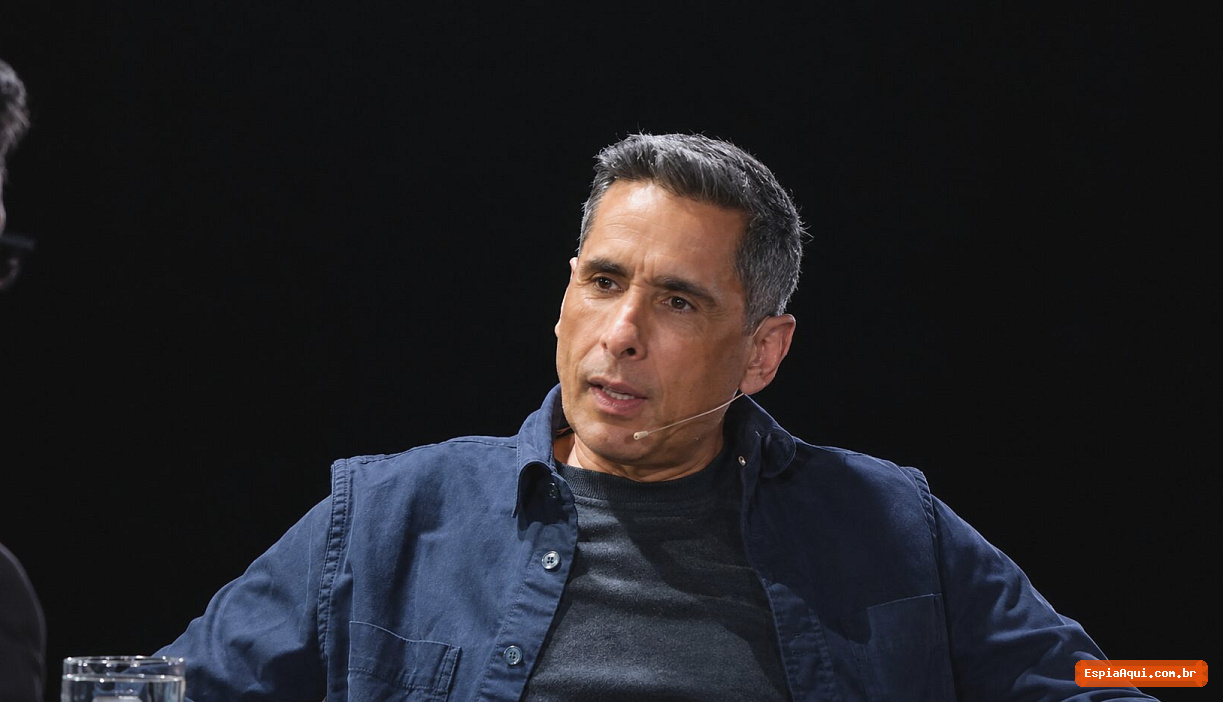
Flávio Augusto, a Brazilian businessman, built a successful career that began in 1995, when he founded the Wise Up language school. With an initial investment of R$ 20,000 drawn from his overdraft, he launched the business even though he did not speak English fluently. Today, he runs the Wiser holding company, which posts revenue of R$ 610 million and serves more than 500,000 students.
The Business’s Origins and Expansion
When he created Wise Up, Flávio Augusto bet on an 18-month accelerated teaching model aimed at professionals who needed to learn English quickly for the job market. The initial capital, taken from his overdraft at interest rates of up to 12% a month, was not enough to cover all the renovation and hiring costs, but he focused on sales strategies and market analysis, leaving the academic content to hired specialists.
The chain grew to hundreds of units, which allowed Wise Up to be sold in 2013 to Abril Educação for R$ 877 million. However, in 2015, Flávio decided to buy the company back for about R$ 390 million, significantly less than the original sale price. On returning to the helm, he found the company facing falling profits and high default rates caused by changes in billing methods.
Restructuring and Adapting During the Pandemic
To turn the company around, Flávio invested US$ 16 million of his own money and spent three years restructuring the business. The Covid-19 pandemic accelerated the shift to a digital format, which had begun tentatively in 2019. The businessman advised franchisees to give up their physical premises and adopt online teaching.
The change led to the closure of about a hundred in-person schools, but the student base grew from 80,000 to 400,000. Today, the Wiser Educação group generates hundreds of millions in revenue and uses EBITDA as its financial performance indicator.
His View of Brazil’s Business Environment
Flávio Augusto is critical of the so-called ‘Brazil cost’, which encompasses heavy bureaucracy, a complex tax system and labor rules he considers inflexible for businesses. He highlights the legal certainty and predictability of the United States, where he invested in the Orlando City soccer team, compared with the difficulties encountered in Brazil.
Even so, he recognizes Brazil’s potential as a market, especially because of the scale of consumption and growth opportunities that few countries offer.