The increase in Brazil’s agricultural exports to China, a result of the trade war between the United States and China, represents a window of opportunity for the country, according to economist Marcos Troyjo, former president of the BRICS New Development Bank.
According to Troyjo, Brazil is getting ever closer to the US in leading global agricultural exports, with a volume of US$ 169.2 billion last year, just US$ 2 billion below the US$ 171 billion recorded by the United States, according to official data from the respective agriculture ministries.
Rivalry Between Powers and Brazil’s Role
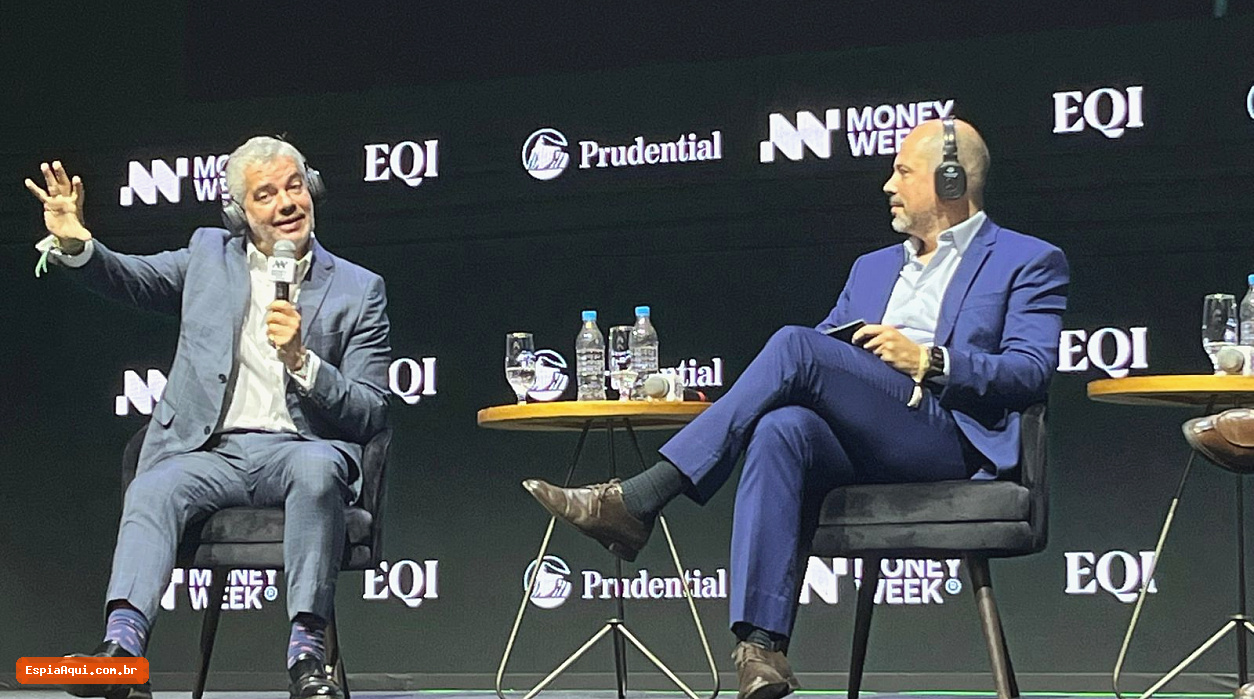
Speaking at the “Money Week 2026” event in Balneário Camboriú (SC), Troyjo said the world is living through a “Cold War 2.0” between the two largest powers, although bilateral trade remains intense, reaching about US$ 1.8 billion every 24 hours, even amid protectionist measures.
He points out that between 2001, the year China joined the World Trade Organization, and 2019, foreign direct investment between China and the United States was reciprocal and predominant, showing the interdependence between the countries.
Opportunities for Brazilian Agribusiness
Troyjo notes that, historically, the US was China’s main food supplier since the Chinese economic opening in 1978, but that leadership changed over the past five years, with Brazil taking over that position. The shift is explained by China’s need to secure supplies for its population of 1.5 billion people with rising incomes, even though the country is at the same time one of the largest producers and the largest net importer of food in the world.
The economist projects that China will reduce food purchases from the United States, Australia, New Zealand and Europe while expanding imports from Brazil, increasing Brazil’s share of that market.
Potential to Expand Exports to the US and Europe
Regarding the United States, Troyjo observes that Brazil currently accounts for between 0.8% and 1.1% of American imports, pointing to significant room to diversify exports beyond Asia, today the country’s main focus.
Another point highlighted is the trade agreement between Mercosur and the European Union, which took effect on May 1, 2026, eliminating or reducing tariffs on approximately 5,000 Brazilian products. In the first two months the agreement was in force, Brazilian exports to the EU rose by US$ 2 billion compared with the same period of 2025, an increase of 26%, according to ApexBrasil data.
The agency projects that the agreement could boost Brazilian sales by up to US$ 7 billion. Troyjo attributes part of this growth to rising US protectionism, which prompted Europe to seek new trade partnerships, as well as to the still largely untapped potential of the European market, which has 450 million inhabitants and a GDP 15% larger than China’s, with one-third of China’s population.
Infrastructure Challenges and Investment
The growth in exports to both China and Europe highlights a recurring obstacle: the logistical capacity to move Brazilian production. According to Troyjo, the long-standing problem in areas such as irrigation, storage, ports and rail transport takes on new significance in light of the global food and energy insecurity caused by trade tensions.
This scenario makes Brazil’s infrastructure sector more attractive to foreign investment, in the economist’s view. The Ministry of Transportation projects investments of R$ 300 billion in highway, railway and port concessions, with contracts signed worth R$ 262 billion between 2023 and 2025.
Strategic Minerals and Tax Burden
Another opportunity cited is the market for critical minerals, essential for sectors such as information technology, defense, new materials and robotics. Although Brazil holds significant reserves, Troyjo stresses that mining and refining require heavy capital investment and a long time to generate financial returns.
He also points out that the high tax burden, which can reach 33% in Brazil versus ranges of 18% to 19% in other countries, is an obstacle to adding value to minerals within the country and could discourage investment in the refining chain.
Read also: