
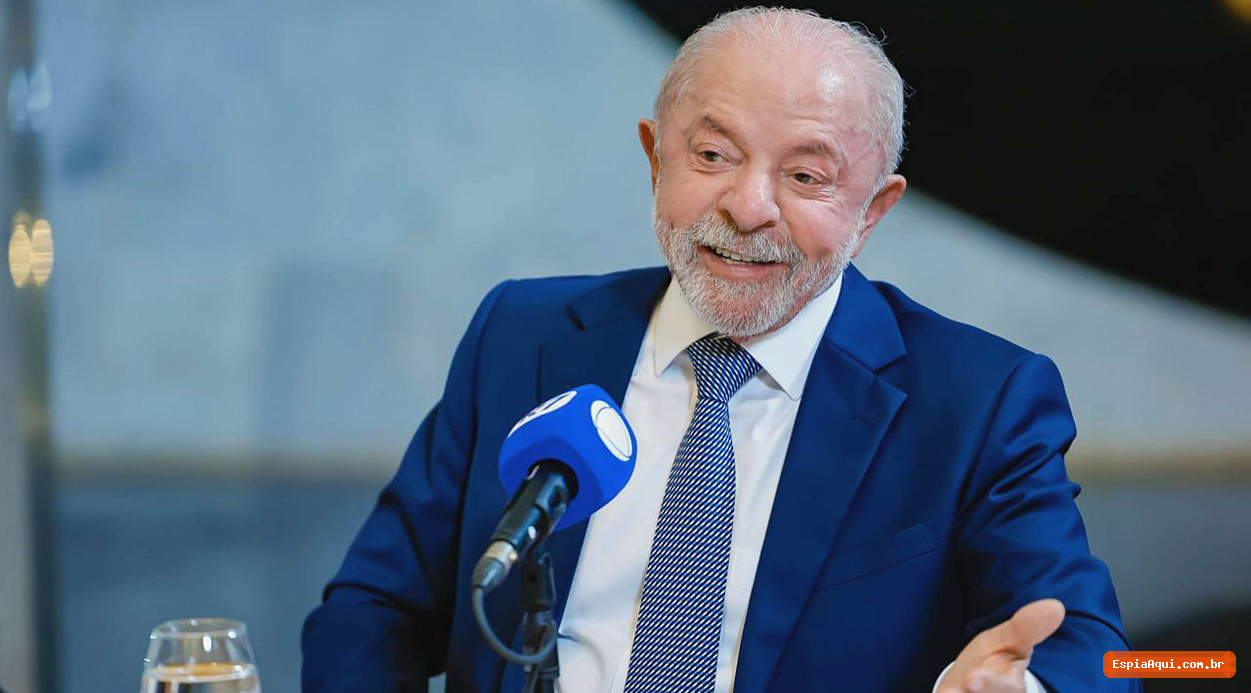
President Luiz Inácio Lula da Silva authorized on Thursday (17th) a 15.04% increase in Bolsa Família payments. With this adjustment, the benefit, which has already risen a cumulative 73% since 2022, will have a direct and permanent impact on the public budget, funded by taxpayers.
The minimum amount paid by the program rises from R$ 600 to R$ 691, and payments at the new amount begin on October 19. The extra cost generated by the measure is expected to reach R$ 5.8 billion in the last three months of 2026 and R$ 22.7 billion over the course of 2027.
Electoral context and history of increases
The announcement comes 17 days before the first round of the presidential election, in which Lula is seeking reelection. In 2022, about three months before the vote, then-President Jair Bolsonaro also boosted the program, at the time called Auxílio Brasil, through an electoral constitutional amendment (PEC). On that occasion, the minimum benefit went from R$ 400 to R$ 600, at an estimated cost of R$ 41.25 billion, outside the spending cap.
Bolsonaro moved up the October payment to that same month and authorized payroll-deductible loans backed by the benefit, which the Federal Court of Accounts (TCU) recommended suspending due to suspected electoral use of the program.
Budget impact and reach of the benefit
The update to Bolsa Família amounts covers 19.29 million families registered in September 2026. The average amount per household rises from R$ 675 to R$ 777.
According to Ministry of Planning data, the permanent increase in spending will require a revision of the 2027 budget bill, already sent to Congress without any provision for an increase for the program.
The impact of the increase in the next term could reach about R$ 90 billion a year, equivalent to the cost of building approximately 2,000 public schools, considering recent projects at around R$ 11 million per unit.
Sources of funding and fiscal consequences
To pay for the increase this year, the government said it will use funds from spending restraint in the INSS medical examination queue. Financial analysts note that this fiscal room results from lower-than-expected social security spending, which could partially reduce the current R$ 17.9 billion budget freeze.
However, starting in 2027, the increase implies a permanent rise in expenditures, putting pressure on public accounts. A study prepared by the consultancy Warren Rena, with economists Felipe Salto, Josué Pellegrini and Daniel Ferraz, indicated that the annual cost of the adjusted benefit will be R$ 23.2 billion in 2027.
That amount would turn the primary surplus projected for 2027, of R$ 18.6 billion, into a deficit of R$ 4.6 billion, still within the legal limit of the fiscal rule, which allows deductions of up to R$ 64.7 billion in expenditures, setting a deficit ceiling of R$ 28.1 billion.
The higher-than-expected increase, of 15.04% versus an initial forecast of 9.5%, led to a R$ 7.2 billion rise in federal primary expenditures for 2027. This increases pressure on public debt and the country’s interest rate policy, highlighting the difficulty of generating a surplus large enough to stabilize the accounts and lower interest rates on a lasting basis.