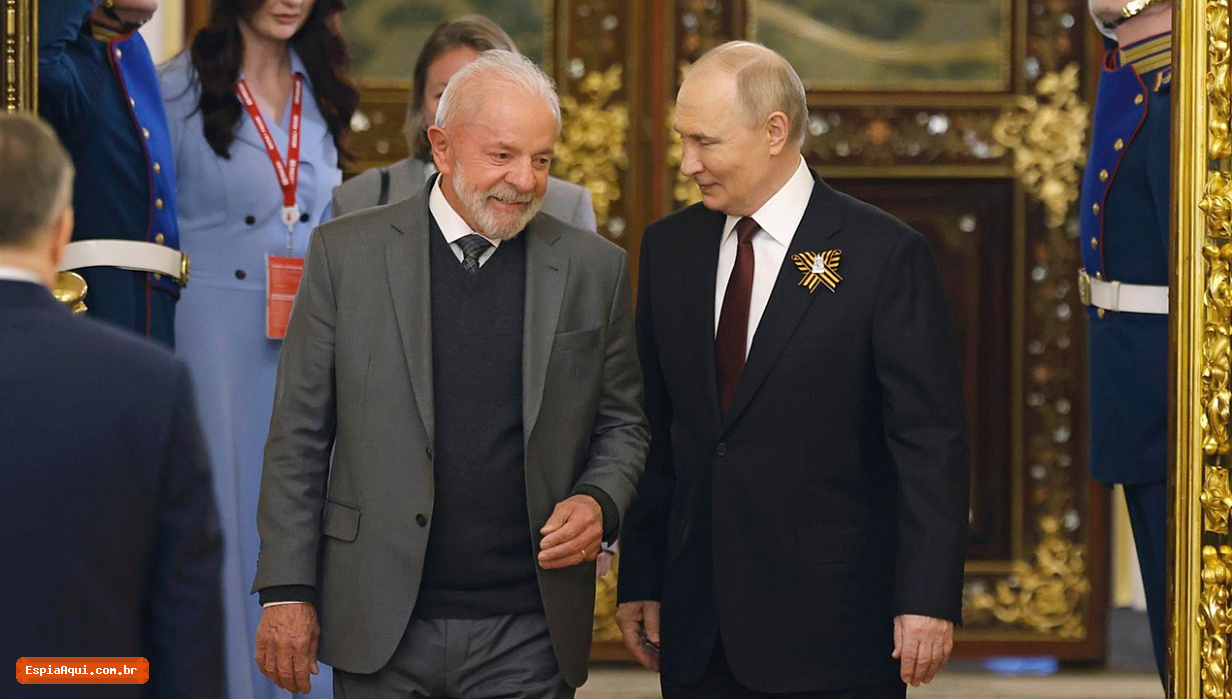
On Wednesday (the 16th), the United States House of Representatives passed a bill allowing tariffs of up to 100% on countries that purchase oil, gas and petroleum products from Russia. The measure is intended to pressure Vladimir Putin’s government to seek a ceasefire in the conflict involving Ukraine.
Brazil, which already faces U.S. tariffs of 25% and 12.5% on some products, could be affected by this new surcharge due to the increase in Russian diesel imports in recent years. Russian fuel has become more affordable as Russia seeks alternative markets in the face of Western sanctions imposed after the start of the war.
International Reaction and Next Steps
Kremlin spokesman Dmitri Peskov described the U.S. initiative as a hostile act that could hinder efforts to reach a peaceful solution to the conflict. According to him, the additional sanctions further complicate negotiations.
The bill now goes to then-President Donald Trump for signature. The final decision on the tariff percentage will be made by the United States Trade Representative, Jamieson Greer, who was responsible for the recent surcharges on Brazilian products.
Brazilian Imports From Russia in 2026
Data from the Ministry of Development, Industry, Trade and Services (MDIC) show that between January and August 2026, Brazil imported US$ 7.15 billion in Russian products, slightly more than the US$ 7.03 billion in the same period the previous year.
Despite the annual increase, purchases have declined in recent months. The Ukrainian offensive against Russian refineries raised the price of imported diesel, prompting Brazil to diversify suppliers, including the United States and India.
- In April 2026, Brazilian imports from Russia totaled US$ 1.38 billion.
- In August of the same year, that figure fell to US$ 433.8 million.
With this shift, the impact of the new U.S. tariff could bring significant adjustments to trade relations between Brazil and Russia, especially in the energy sector.