
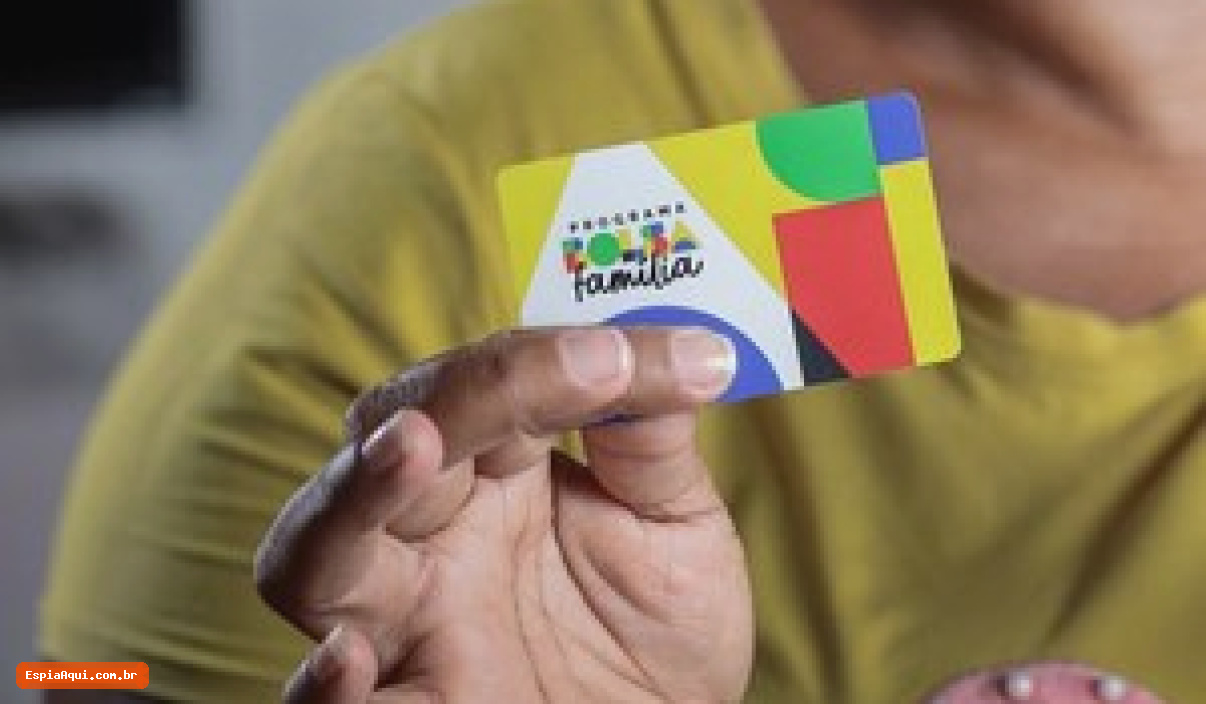
The increase in the Bolsa Família benefit announced by the Lula administration on Thursday (the 17th) will cost public coffers R$ 5.8 billion in 2026 alone. That amount is equivalent to the funding allocated to nearly 20,000 projects in the second phase of the Novo PAC Saúde, planned for 2025.
Comparisons With Health Investments
The R$ 5.8 billion could be used, for example, to build 2,500 Psychosocial Care Centers (CAPS), based on an average cost of R$ 2.3 million per unit, or to buy approximately 16,500 Samu ambulances, which cost R$ 350,000 each on average. Under PAC Saúde, the government set aside R$ 230 million for 100 CAPS and R$ 525 million for 1,500 ambulances.
The funds could also be used to build 2,500 Basic Health Units (UBS), based on an average investment of R$ 2.26 million per unit, or to erect 190 polyclinics, with a reference cost of R$ 30 million each. For hospitals, the amount would be equivalent to building 19 facilities costing R$ 300 million or 58 hospitals costing R$ 100 million.
Impact on Education
In the education sector, the amount of the increase would allow the construction of about 1,650 daycare centers. The government’s project earmarks R$ 1.75 billion for 500 daycare centers, or roughly R$ 3.5 million per unit. These analyses were carried out by economist Juliana Inhasz of Insper.
Details of the Increase and Fiscal Context
The minimum Bolsa Família benefit will rise from R$ 600 to R$ 691, an increase of 15.04%. The average benefit will go from R$ 675 to R$ 777. Payments at the new amount begin on October 19, one week before the election runoff, scheduled for the 25th.
According to the government, the increase makes up for inflation accumulated by the INPC since the beginning of 2023, and there is fiscal room to cover this expense this year. Economist Juliana Inhasz explains that, although the increase is smaller than the IPCA accumulated through August 2026, the measure is justified, but it highlights the growth of the social program.
According to the Instituição Fiscal Independente (IFI), Bolsa Família’s share of GDP went from about 0.5% through 2020 to approximately 1.2% after 2022. In the 2027 Annual Budget Bill (PLOA), before the increase, the program accounted for 1.1% of GDP. With the increase, that percentage would rise to 1.2%.
Challenges for the 2027 Budget
Bolsa Família currently serves 19.29 million families, according to September data from the Ministry of Development and Social Assistance (MDS), with an average benefit of R$ 678.18. To join the program, monthly per capita income must be up to R$ 218, and families with income up to R$ 706 may remain under the Protection Rule for up to 12 months, receiving half the benefit.
IFI director Alexandre Andrade points out that the main challenge of the increase will come in 2027, when the estimated additional cost will be R$ 22.7 billion and will need to be incorporated into the budget in accordance with Complementary Law 200. Since the increase is not included in the PLOA sent to Congress, this expense will have to be offset within the spending cap.
Planning Minister Bruno Moretti said the funds will come from budget surpluses and reallocations, which means other programs will have their funding reduced to accommodate the Bolsa Família expense.
Although the government projects it will formally meet the primary balance target in 2027, the tolerance margin will be tight. IFI estimates that, to reach the lower limit of the target, R$ 35.7 billion will need to be frozen. With the increase, that freeze would rise to R$ 57.7 billion, an amount considered difficult to achieve.
Criticism and Questions
Juliana Inhasz notes that ideally the government would cut spending to finance the increase, but stresses that the budget has shown maneuvers that mix recurring expenses with extraordinary revenue, making projections unrealistic. According to her, the government will have to resort to devices such as higher tax collection or cuts in other areas to balance the books.
The economist also questions the timing of the adjustment, since, if the goal were to restore purchasing power, the increase could have been made at the beginning of the year, which would have benefited families more. For Inhasz, the increase so close to the elections points to a political strategy by the government to influence the vote.