
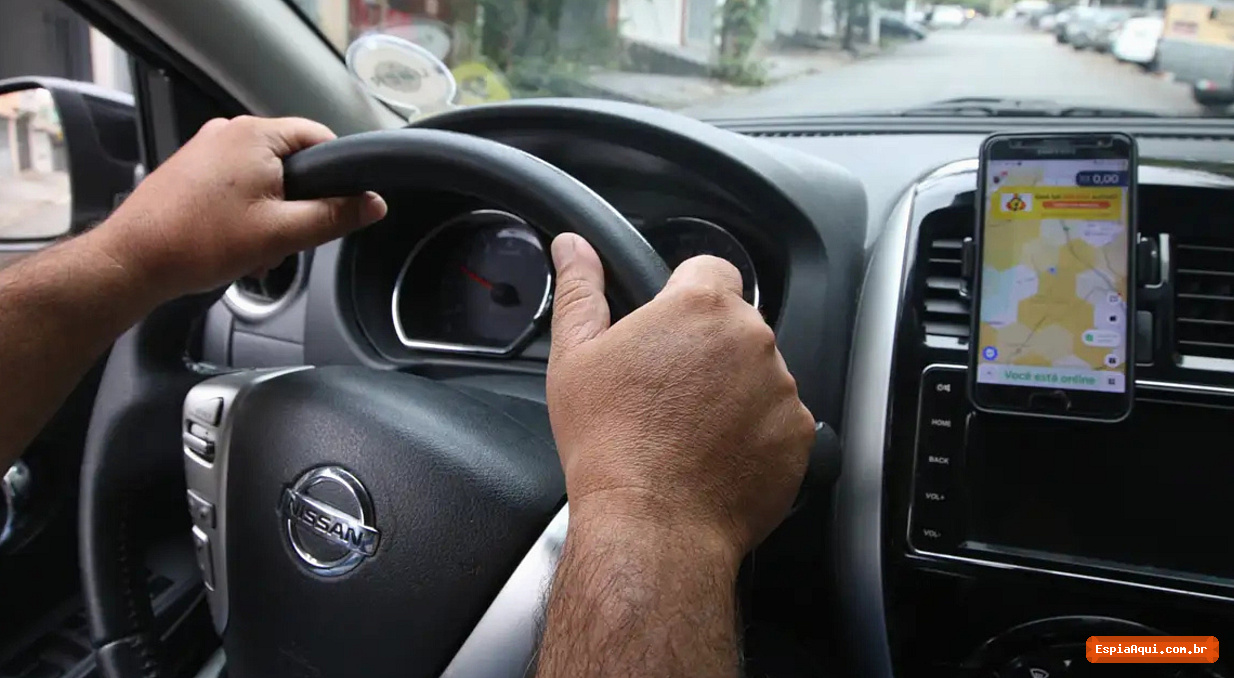
The Federal Senate confirmed the approval of a provisional measure that establishes a credit line of up to R$ 30 billion for ride-hailing drivers and taxi drivers to purchase new vehicles. The proposal, already approved by the Chamber of Deputies, will now be sent for presidential signature.
The National Bank for Economic and Social Development (BNDES) will be responsible for managing the program and may authorize other financial institutions to offer the loans. In addition to the vehicle purchase, the financing may cover insurance costs and notary fees. For women, the credit also includes safety-related items.
Financing is limited to one vehicle per beneficiary, and for cooperatives, one car per member. The specific terms and financial charges will be set by the National Monetary Council (CMN).
Changes during the legislative process
During review in the Chamber, the bill incorporated changes that shifted the initial focus away from app-based delivery workers. Changes from two provisional measures were combined: one from May 2026, which authorized financing for drivers, taxi drivers and cooperatives; and another from June, which expanded the Social Infrastructure Investment Fund (FIIS) to cover fleet renewal, urban mobility improvements and anti-pollution actions.
In the version approved by the Chamber, the FIIS added school transportation to its financing areas. In the Senate, the only change was a wording adjustment made by Senator Giordano (Podemos-SP).
Conditions for automakers and financial institutions
The text provides that automakers may be required to grant minimum discounts to participate in the program. Banks, in turn, are authorized to set installments of varying amounts over the payment period, a common practice in private financing.
Political and legal context
The Lula government has sought closer ties with representatives of app-based delivery workers, with the participation of PSOL members such as the Minister of the General Secretariat of the Presidency, Guilherme Boulos. On the legal front, the Supreme Federal Court (STF) is assessing the constitutionality of so-called “uberization,” a concept referring to the loosening of labor relations through the intermediation of digital platforms.
Read also: